When the Voyage Doesn't Go as Planned
How Ship Owners Manage Cost, Risk and Operational Continuity in Uncertain Conditions
Unexpected events in shipping rarely affect just one department. A change in the voyage can quickly influence crew safety, technical reliability, insurance exposure, commercial commitments, costs and operational continuity.
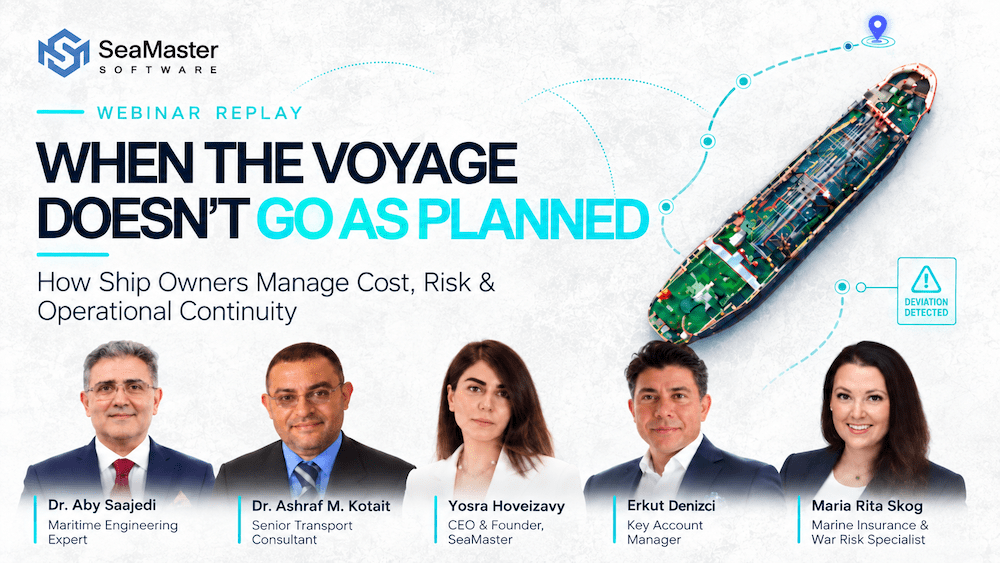
Full Webinar Recording
Maritime professionals discuss how owners and managers can respond when disruption changes the original voyage plan.
When disruption crosses every part of vessel operations
A voyage may begin with a clear route, schedule and commercial plan. But shipping rarely operates under perfect conditions.
Weather changes, geopolitical developments, technical problems, port congestion, supply delays, insurance restrictions or unexpected operational events can quickly change that plan.
The challenge is therefore not simply avoiding disruption. It is maintaining enough visibility across the vessel and shore organization to make informed decisions while conditions are changing.
In this SeaMaster executive webinar, maritime professionals examine disruption from different perspectives — ownership, operational decision-making, crew safety, technical reliability, maritime risk and insurance.
What the webinar explores
The discussion looks beyond a single operational problem and examines how disruption moves across the entire ship management organization.
Operational & Financial Impact
How voyage disruption affects schedules, operating costs, commercial commitments and management decisions.
Crew Safety & Continuity
How organizations protect people while continuing essential vessel operations in uncertain or high-risk conditions.
Technical Reliability
The importance of maintenance history, PMS discipline, technical readiness and ship-shore communication when normal support is disrupted.
Insurance & Risk Exposure
How changing risk conditions, insurance considerations, war-risk exposure and contractual obligations influence operational decisions.
When the voyage no longer goes according to plan, does management have enough visibility to see the whole picture?
Better information creates earlier visibility — and earlier visibility gives decision-makers more options.
Webinar Speakers
Speakers are shown in the same order they first appear in the webinar recording.

Yosra Hoveizavy
Founder & CEO — SeaMaster · Moderator & Speaker · 00:00:32Opens and moderates the webinar, later sharing the ship owner's perspective on crew, operational responsibility, vessel history, data visibility and decision-making.
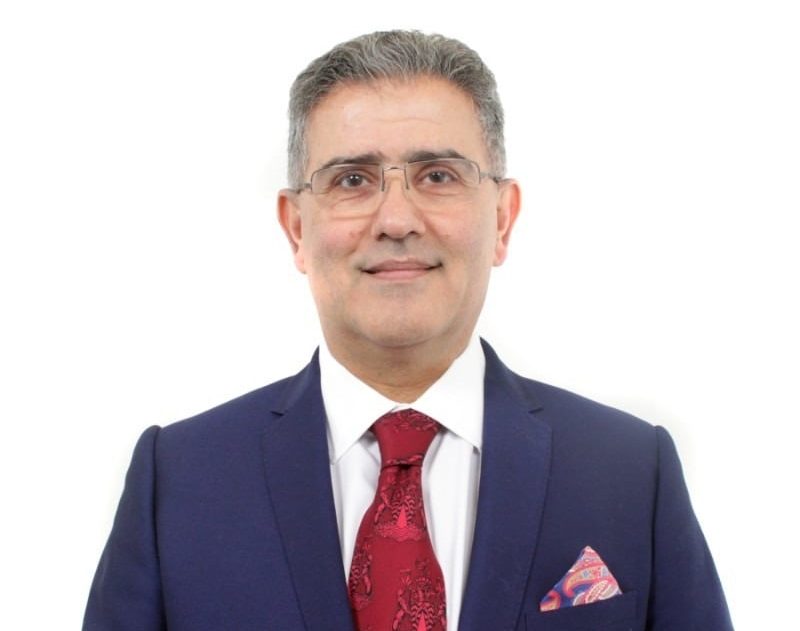
Dr. Aby Saajedi
Maritime & Offshore Engineering Professional · 00:04:31Discusses crew safety, operational continuity, risk management and preparedness, drawing on first-hand experience in high-risk maritime environments.
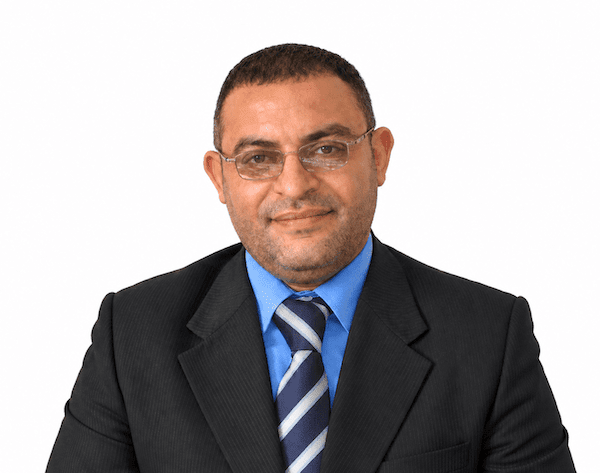
Dr. Ashraf M. Kotait
Founder & CEO — APTIC Group · 00:25:57Explores VUCA conditions in fleet management and voyage planning, focusing on coordinated decision-making, timing and preparedness during disruption.
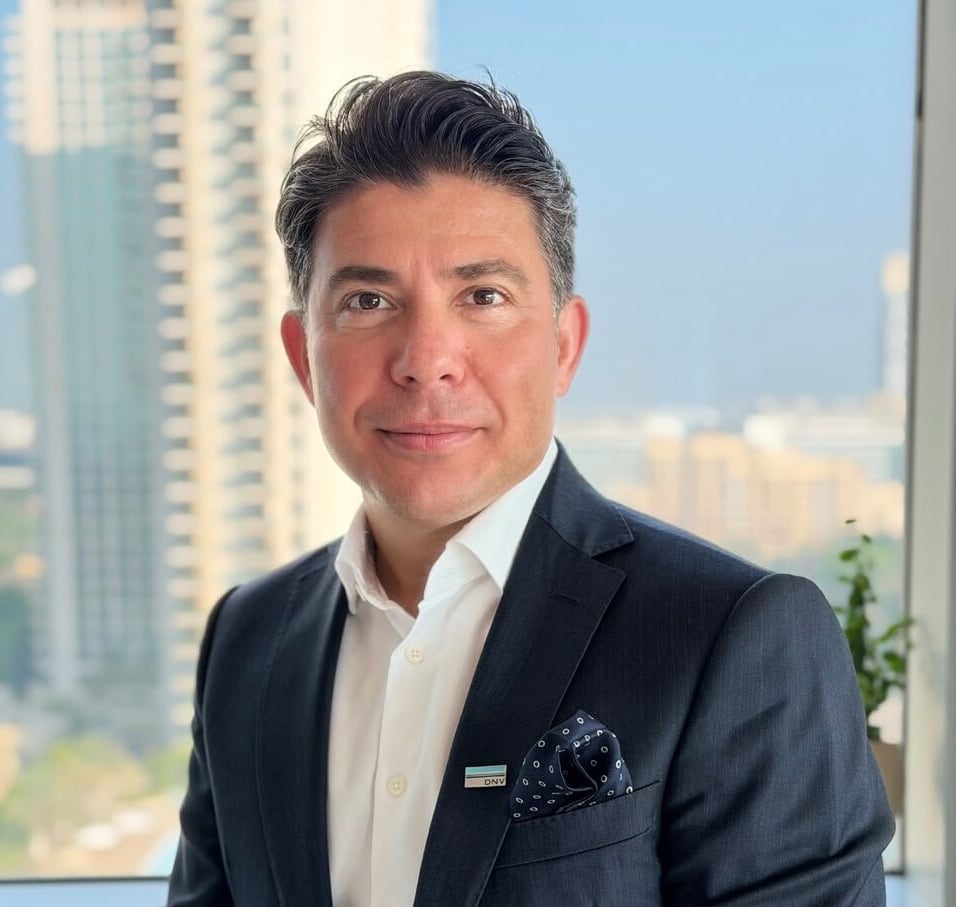
Erkut Denizci
Key Account Manager — DNV Dubai · 00:36:23Shares a technical and commercial perspective on vessel reliability, PMS planning, crew competence, redundancy and early identification of technical risk.
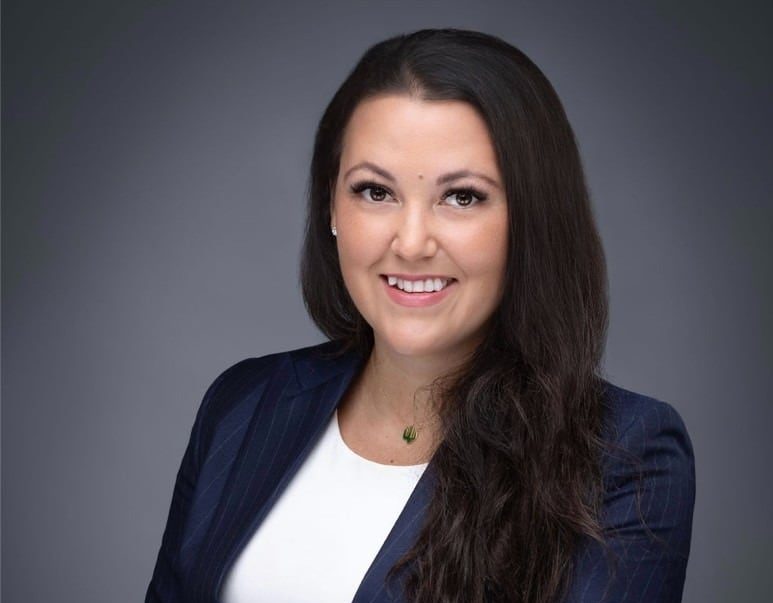
Maria Rita Skog
Maritime Professional, Director & Advisor · 00:46:14Covers resilience, maritime law, insurance, contractual wording, war-related exposure, rerouting, loss of hire and organizational preparedness.
Read the Full Discussion
Prefer reading? The complete webinar transcript is available below.
View Full Webinar Transcript Hide Webinar Transcript Full discussion · speakers and Q&A ↓
Yosra Hoveizavy
The moderator for today's webinar. It's a pleasure to welcome you to this webinar when the voyage Doesn't go as planned. In this session, we're going to address the question how ship owners navigate cost, risk, and operational continuity In uncertain conditions So, the maritime industry, as we all know, operates in an environment when uncertainty is constant. Every Voyage involves a lot of challenges, decisions made with incomplete information, changing condition, and operational pressures that owners and ship managers are facing on their daily basis and on their voyages. So today, we explore five main topics, the operational resilience, risk management, technical reliability, human factors And decision making under pressure. And we're supposed to answer the questions how owners and managers maintain continuity when conditions change, how maritime leaders identify, understand and respond to our uncertainty How vessel condition and maintenance readiness influence operational confidence, how people on board and assure remain the foundation of safe operations, and how experience information and visibility support decisions So We are all fully aware that disruption is a part of shipping industry.
We are facing technical failures, operational constraint, and commercial pressure on everyday operation And on every Voyage And right now that Work and security challenges It also add another layer of complexity to the maritime operation So how we can remain resilient when condition change becomes vital even more than every time. So how can ship owners and managers maintain safe, reliable, and continuous operation when unexpected events affect vessel performance? We're going to answer to these questions by our speakers. I'm going to introduce you briefly our speakers, including me. We have I'm Yosra Hoveizavy, CEO and founder of Seamaster Co. Your moderator and a part of the speakers today. We have Dr. Aby Saajedi. He is the maritime and offshore engineering professional. We have Dr. Ashraf Kotait, founder and CEO of Aptic Group. We have engineer Kodenski. He is the key account manager at DNV Dubai And we have Maria Rita Skog, a maritime professional director and advisor.
First of all, we will start with Dr. Aby Sajadi, and we would like to hear from his opinion and perspective about the crew safety and operational continuity. But before passing the floor to him, I will briefly introduce Dr. Aby Saajedi. He has extensive experience, more than 47 years of experience across marine engineering, offshore operation, energy sector, and asset reliability His core expertise is about the structural integrity management, safety, and reliability assessment, asset management and engineering project leadership. He has on board experience and industry perspective So I would like to ask Dr. Sajidi to take the floor and explore what is his perspective regarding the crew safety under pressure and under disruption Thank you, Dr. Sajidi.
Dr. Aby Saajedi
Hello, my name is Aby Saajedi, and I'm based in London Thank you very much for the introduction. That was very useful. And what I have prepared, although I don't think we can actually prepare Anything to deal with such a massive topic of crew safety or any aspects of safety and reliability In a war zone And unfortunately near future to perhaps medium term future From what we hear, most of the people in the know, they expect that these wars will get bigger, wider, and probably even uglier. Now, I'm happy to speak about crew safety and the issue of operational continuity To be honest, it doesn't matter how much you read and learn and how many degrees you get But I'm actually relying on my own personal experience of war zones back in 1983 through to 1987, 88 When I was working on oil tankers, subject to several Missile attack and small rockets and then even helicopter coming over and so I'm not going to To sort of sugarcoat anything here Can we go to the next slide, please?
Hello, who is controlling the slide? Okay Right. Now, the issue War zones, war zones due to their geography, very, very, very much Historical experiences of wars at sea is not little except that the geography is different, technology is different, sources of risks are very different And obviously When you're talking about a war zone What I have put at the bottom of these slides, and every slide I have repeated it, because it's so important to focus our managers' minds That every decision you make about how to deal with this sort of situations You're not necessarily solving the problem in a war zone there is no safe safety for anybody However The first thing that you need to think about are the people If you can Keep them safe from harm And how to maintain control of the ship with regard to Steering Any issues with firefighting or Fleming or anything?
I mean, flooding is… maybe some of you have already experienced it, you know. If a missile goes into your tanker number one starboard wind tank and the tank is Basically opened up and the cargo starts flowing onto the water under the sea And then for any reason starts catching fire, and that fire, because the ship, if it's stationed and not moving The oil on the water is going to surround the ship and start some fire and that fire is amazingly And when you see it close by, you actually think you have been promised to go to hell and you are in hell. But if you're lucky and you're moving away with vessel then you get a massive tail behind the vessel That tail will be huge mountain size fire And it takes approximately, depending on the speed, but roughly speaking, the vessel is if it's lost the propulsion And the engine is starting flooding and all that, it will take approximately maybe one hour to 3 hours, depending on the size and the speed that was going and all that to come to standstill Now, by then you're hoping that
the fire at the tail has basically dampened down and you only have very, very thick smoke And hopefully you will have some sort of help coming from outside. There is not much you can do while you are on the ship Now, that's where We've got the risk issue, the conditions are changing How do you prevent or avoid It's not necessarily possible in most cases, but the management has to have plans to manage the consequences of that risk when it actually happens Now, trying to change the Trying to change the routes and things like that is not possible It's too late. There's not much you can do Now, then it's the issue of how do you actually make decisions about managing the situation We have basically identified prevention and avoidance is prevention and avoidance are not the same thing These are a slightly different concepts prevention If you can prevent the war, that would be amazing.
Then you don't have the risk to deal with If we can avoid the root where the vessel is going to go Again, you're doing something positive But assuming that they are in a situation Possibly at the moment it's nearly like 1200 ships trapped inside the Gulf And these ships didn't know that this was going to stop. So a lot of them didn't know, so you've got the personnel crew on board who had no choice. They couldn't prevent it, they couldn't avoid it Now it's an issue of safety of life keep maintaining the ship's movements, control, security, continuity, recovery, that recovery bit is a lot to do with how good the management of the ships or shipping companies are Basically prepared in my days, back in 1980s At least I can't say even then we knew our managers didn't prepare as good as they could Perhaps they didn't have this experience that we have now Now, the rest of it, I'm not going to read from the… I've prepared the full documents which Seamaster will be able to distribute to everybody via some sort of email arrangements Now, on the ship,
you've got a situation where you have to have a plan what happens during a certain passage. For example, if somebody's… even with permission from one side or the other Going through a narrow choke point They may be saved from one side, but not necessarily safe from the other side, opposing side of the conflict So, for example, in those days, if we were going Eastward Our risk was coming from our left side, or the port side But if we were Sorry, East one would be coming from our starboard, and then it was a port side before Now, in our case, we were told everybody who's not doing anything critical should go on to the other side of the vessel and hide behind the accommodation and superstructure of the vessel and so on Believe me, it doesn't work But it gives you a little bit of a calmness.
Now. The shore management and everybody else have got their own positions, their own responsibilities within what they can actually do And the issue of the crew is not just about their safety for two hours or 20 hours or two days. You're talking about being trapped in a situation where this risk is carrying on for days on Then it's the issue of fatigue setting in And that is amazingly destructive. And then another thing that is this fake concept that there is a safe place on ship, let's go and hide there. That doesn't exist. However, that doesn't mean you can't try and create A safer, comparatively safer positions on ships with appropriate maybe a little bit of you know ingenuity, but ships are not designed to have those sort of places. However, therefore, if Ship managers know that the ship is going to have to be subjected to those sort of risk, then they have to think, can we create these spaces Where the crew could go in there and feed, be safe comparatively And then this idea of a specific room or very strong position.
Now imagine where you're going to hide on a gas carrier? I just don't think you can imagine it. But it is possible to create Comparatively Can we go to the next slide, please The issue of concept of making sure when planning you always focus on the people Ship control Any means of fire and flooding, not necessarily fighting to the end, but Managing it, trying to keep it alive, keeping people safe Because if a ship is actually hit by any type of missile, large or small There's nothing you can do to save the ship. Let it go. That doesn't mean you have to abandon ship. We did abandon ships that were missiles, and we did stay on some other ships that they were actually bought And in my own personal experiences, at that point when it is hit You haven't got that much of the time to think And you're not going mostly people will panic But by training Better preparation, visibly knowing that you've got some options, it will help people to calm down In one experience, three people, they just Just jumped overboard and we never saw them again
And then there was 20, approximately 20 others stayed on board. We were saved later. Of course, still we abandoned the ship But we abandoned the ship under a little more controlled manner. So this is the important part Now, the threats come from completely different. Our days, although we were scared of excessive missiles, but after having seen it a couple of times here and there And then another thing was that the oil tankers used to form some sort of grouping, like about 12 tankers going in one direction and 12 tanks coming in another direction. And there was a point where these two two groups would cross all that and then you're talking about if they want to attack whoever it is, they've now got the choice of 24 tankers. So can you imagine? I remember it very clearly that When we were in a situation like that We're all looking at and then you saw black smoke coming out of one of the tankers, although you thought, oh, well, we've made it.
But I immediately felt for the people who were on the tanker that was hit. So there's no happy place. I don't think anybody would feel happier if they saw one. So generally speaking I'm not trying to give you a full picture and I just can't because every situation is different And as it is different, every person is a different character. I've seen people who were panicking like two weeks before we got to the war zone We were all the way from Singapore, they were crying But You know, some people just keep their nerves much better than others, and people may not. So, can we go to the next Slide, please And generally speaking In engineering terms, you passed a bit too quick. Go back one slide, please That's number six. Okay All right. And this In this situation, people have done a lot of work, a lot of research work, and I have been involved in doing some research with others We've recognized that first reaction is crucial that the people, if they're better trained They will keep their heads better and their reactions are better And then the issue
of how quickly can you recognize the extent of damage and how you quickly can try and get maintain the control of the vessel And then obviously people will start looking out for each other and so on But then eventually It'll take a couple of hours or so before the full picture is known and that full picture Is not to do much to do with immediate reaction. It is about how to handle the recovery stage So then I go to the next stage and the final Please Okay To me, I think it is amazingly important that the managers spend time and they have to invest in training every single person who's supposed to be in that situation And also they must also be very. sort of familiar with management team inside the offices And keeping the morale of the personnel at sea It's so important, and you can't just give them series of instructions and leave them to it But they must know that they are in communication with them every day You must show leadership qualities that you are with your team at sea.
That way you keep them stronger spirit Rather than giving up quickly. So, if the staff had seen don't hear anything from the managers, from their team leaders, from anybody, from their superintendents, and so on At all They will lose faith and it is very much it is harmful to the relationship between the people People at the management level, at the media management, lower management, and then the team who are actually in the field Now, this is my recommendation and my final message basically is that No commercial schedule should substitute for a form of safety decision. Now, that is where the managers must be there Preparedness is not going to stop the war, it's not going to stop the damage But what it does is improve survivability and recovery period Nothing can make wars unsafe But being prepared better makes it realistic.
And then again, I'm going to leave you just to read the last chain of people Ship control Fire, flooding, steering propulsion are the most important thing in the engine room And communications. Now, I'll tell you what, my first day as a second, sorry, as a fourth engineer, just a 24 year old Then And I was my first watch as a force engineer And then I was the only person in the engine room Because all extra people would be outside in a safe place or supposedly safe place When we were hit, I wasn't 100% sure if we were, but I knew something would happen because the engine got a little bit of a shake. And in that experience there was two missiles hitting us from starboard side. Number one wing tank and the engine But the one in the engine room didn't actually sort of come into the engine room.
So there was something happening and smoke was gathering. I was not told what to do If anything happens, I didn't know to stop the engines steamship it was, and the turbines and boilers, or do I just… what do I do I picked up the phone to the bridge, nobody's answering Later, I realized what happened The bridge was already on the fire. Nobody was there. They couldn't Okay. Dear doctor, dear doctor, sorry to interrupt you, but we are out of time, and we need to jump to the other speaker, so I just wanted to let you know about this. Yeah Sure, sure. So that was it. That was the last one. So this is where the training with a prepared us better. Thank you.
Yosra Hoveizavy
Okay, thank you very much, dear doctor, for the very valuable experience you shared with us. Right now, first, I want to know if any of the speakers has any perspective regarding what Dr. shared with us. Otherwise, we can move to our next speaker You may proceed to our next speaker, Yosra. Thank you. Yes, sure. So let's move to our next speaker, Dr. Ashraf Kotait He is the founder and CEO of APTIC Group. He has more than 28 years of experience across port operation, multimodal logistic transport strategy and digital transformation in Middle East and Africa He is doing advisory and leadership with supporting governments, development bank, Port authorities and private organization worldwide. He has a strategic expertise and author and speaker as well. So his topic He's choosing it, is navigating VUCA in fleet management and Voyage planning. Dear Dr. Ashraf, the floor is yours.
Dr. Ashraf M. Kotait
Thank you so much, Yosra, and thank you for the introduction And for having me When you first invited me, I said yes, without hesitating. Because this subject is a subject I care about And because the way you structure it Following one vessel through Disruption As Dr. Aby said, it is very far away exploring than a series of presentations Thank you for that. Before I continue, a warm welcome to my fellow panelists, Dr. Aby Maria. I'm looking forward to this discussion, and I suspect I will learn as much from you today as audience And for all of the ones joining us, thank you for being here. Especially those giving up the end of 3-year working days And our colleagues across the MENA region who have given up part of their weekend That's real commitment, and I don't take it lightly. Now, Dr.
Aby You are set that the scene you just set the scene beautifully There's a cruise shave. The people are protected. But the version is still out there The birth window has slipped And the company has to decide what to do next Continue Delay Ready to root or suspend. Only 4 options, and none of them is free That's the decision I want to talk about When a voice goes of plan, the instinct is 3C as an operational question Reroot or wait And that's understandable. It's the most visible part of the property In my experience, four things should drive this decision. And only one of them is operational The first one is time Not just how long the delay is But what the vessel loses by being late The next fixture the lake and window The charter is scheduled a 3-day delay that misses Aliken Is a very different problem from a 3 day delay day delay that doesn't Second one is the cost And cost isn't number.
It's a REIT Most disruption causes a per hour On a mid-sized vessel, a Supra Max Dynamax, a single day of delay runs somewhere in the region of 25 to $50,000 Once you stack up here, Banker Bird, Demonic Export and demorage typically runs at 1.5 to 2 times the daily higher equivalent Because a meter is moving faster than most people assume The shirt is the risk exposure, and this is where the decision stops being purely operational. If Zary Ruth takes you through a higher risk area, security, war risk, insurance conditions, then the operational answer may not be the right answer. There's a conversation my colleague Maria will speak, I think, too shortly, and I'll leave the detail to her But the point here is this The operational team should not be deciding that question alone The horse is a fluorescent itself Can she actually execute the decision Longer wait means more machinery hours, more maintenance exposure Possibly.
Limited technical support along the way Again, aircraft will pick that up in a moment. So the factors are time, cost, risk, capability And here's the problem. Those four factors sit with four different departments Which means is decision that looks projected to one of them can be wrong for the person So Who should actually make the decision? I've seen two failure patterns again and again In my experience, the first one is an escalation gap The people closest to the problem don't have the authority to fix it And by the time it reaches someone who does, the cheapest options have already expired. In real life, in practice, I have seen this at 24 to 48 hours To this… to a decision that needed to be made and only to our At 25 to 50,000 a day, there's not a delay. That's a decision in itself Just an expensive one Nobody, true The second is that reconciliation gap Each department has a piece of the truth Operations noticed that schedule Chandling knows that contract, finance knows exposure Technica knows the vessel, but nobody putting it together.
So my answer to who should be in the room is this One forum, one agreed picture, one decision, and declared ownership of it. Which brings me to the third question And I suspect it's one most people in this audience have already answered for themselves How important are predefined contingency plans My honest answer? They matter more than almost anything else. You can build And here's why Once that disruption happens You are operating under three constant at once The constraints are incomplete information, time pressure, and completing department This is the worst possible condition in which to design a response from scratch A playbook doesn't tell you what to decide. It tells you how you will decide and who decides and within what time frame In practice, across the industry plan answers five questions in advance. What triggers it Who convinced the discussion Who has decision authority?
What information is required, and what time frame None of these requires new technology. It requires discipline, and it costs nothing to write down. And one question. Because I do believe this matter A playbook is not a script It doesn't remove judgment. The judgment about risk appetite about relationships, about what kind of operator you want to be That says human, but the playbook makes sure the human judgment is applied while there are still options on the table. There's a difference between planning and reacting. So let me put all this together. When a Voyage goes of plan, the disruption is literally what decides the outcome. What decides it is the window that follows How fast are the right people get the same picture? And how fast they make a call And that window has a price At 25 to $50,000 a day In a delay cost, shortening it by even 24 hours pays for a lot of process, a lot of discipline, and a lot of difficult conversation I've seen operators who manage this well.
They tend to share three things They have visibility. They have playbooks, they have decision discipline And I A force, which is harder to build They trust each other enough to disagree quickly Because the fastest decision I have seen When the ones made by one person in a hurry, they were made by the ones by 4 people who already knew how to argue Russia So back to the faces The outcome won't be decided by the court strike It won't be decided by the weather either. It will be decided in the room where four departments either look at the same picture or don't The decision itself is not the hard part Getting the decision in time is Thank you very much, and I'll hand it back to our Madrid. For you, sir
Yosra Hoveizavy
Okay, dear doctor, thank you very much for the insightful perspective you've shared with us. Right now, if any other speaker has any insight to share with us regarding what Dr. Ashraf said, let's move to our next speaker, engineer Erkut Denizci, and I'm going to introduce him briefly to you So the engineer ERCOT. Then she has an extensive experience Within the maritime sector, more than 20 years in maritime experience, 17 years at sea, with extensive experience in oil tanker operation, he was chief engineer, and with a strong technical background with hands-on vessel operation experience He has the technical and commercial perspective and vessel reliability and assurance, and he is going to share his perspective about technical reliability during disruption. Dear engineer Erkut, the floor is yours
Erkut Denizci
Thank you so much, Yosra. First of all, thank you so much for this introduction and invitation. It's a great pleasure to be here sharing this platform with you and other esteemed panelists. So the topic is very relevant and it's very timely So, I mean, what we are seeing across the world and its impact on the maritime industry. And I would like to also encourage everyone joining us today to ask questions, so don't wait for the Q&A session, so that we can make the most out of this conversation. So whatever being said so far by Dr. Aby and Dr. Ashwarf, I completely agree the perspective on the engagement and coordination of the different stakeholders to get and conclude, basically the best and most practical decision And on top of it now, I would like to bring a perspective from the technical reliability.
So the technical reliability is not only linked to machinery condition or equipment condition And it cannot be measured based on how extensive spare parts store you have and full with stored in space because it's a kind of combination of management philosophy, the systems that the organization have, the resources, the people And the culture. And the most importantly, at the core, we have the human element. And the reason is because you can't have a technically reliable vessel If an organization compromises on safety, well-being, and the training of the crew So that brings me to my second point that is being proactive and well prepared and its contribution to the reliability of the vessel. Because the real watch, basically it starts right before the commencement of sea passage. And planning takes a lot of importance in that. So every maritime task, I basically break down into three different stages Of course, hypothetically.
So, being planning, execution, and then the reporting. So the planning is so important, in my opinion, the organization and the teams, they should focus on this extensively so that execution will safely and efficiently. So during the pre-watch planning. So what we expect that the different stakeholders, the chief engineer and master, they will sit together Based on the Voyage they will assume the requirements, the resource requirements, and they will submit this to the technical management and the commercial management teams. But there are 4 very important essential resources onboard the vessel And without which you cannot run the vessel. The vessel cannot complete her watch. The one is the bunkers The second is the loops. The third is the water and the provision. And if you take any of these essential resources from the vessel, the vessel cannot even commence the voyage.
So that brings, and that highlights the importance of Doing a proper, let's say, planning and identifying the resources and then supplying it to the vessel with the shore support. So the second thing is, but regardless of how prepared we are, so the circumstances may change, right? So we all know that the vessels are largely self-sufficient when they're supplied with the important resources. But then all of a sudden during the Voyage the charter, they may change the discharge port. Then the vessel may need to Proceed another maybe 10 days. So normally, when we are doing the pre Voyage calculations, we always consider a safety margin, but it is very difficult to believe that the vessel will have 10 days of excess, you know, bunker onboard the vessel. So that means sometimes being proactiveness is, of course, it is fundamentally important for the safety of the operations, but it is as important as that we act when it comes, we act promptly in a structured way, and then when the circumstances change, so we adapt the plan In the new circumstances And then on the other side, technical reliability also depends on
what can stop the vessel. So we need to identify the critical functions and the critical equipment on motor vessel so that this might be within propulsion, electrical production, steering, fuel oil systems, and so on Even sometimes the non-essential equipment, just assume now the vessel is proceeding, Arabian Gulf in the middle of July, and the AC system is, you know, just completely down. So even though it's not a critical equipment, it's not considered a critical equipment But then all of a sudden, it became a critical equipment. So that means the teams, when they're planning, when they're foreseeing what can happen in their risk management process Which, of course, it is fundamentally important for the technical reliability. So they should not see it from a very conservative, basically, approach. They should see it based on the specification of the loading part, you know, discharge part.
So that's also important. So we need to know what can really… what can actually stop YMSO, and how to prevent that. And PMS, of course, it's a great tool. So I remember when my early days of seagoing experience. So these digital tools were not available or it was very early phase of implementation. And what I remember is In the engine control room, there is a big panel and big post. So the chief engineer, second engineer used to write something manually over there to basically have an overall V1 Planning maintenance system off the important machineries, okay? But now we have a great tool, and then we are using it, I believe, you know, as efficiently as possible. So, one thing is important here that my experience from my technical management time, whenever a new chief engineer joins the vessel So we'll let him to settle down for some time.
And then we ask him, can you please do a PMS forecasting for next six months? That's very important. Why? Because then we sit together, we see what is really falling during next six months, important overalls Which we will require spare parts and maybe some external… other external resources. So this was one of the best practices which I would like to share. Another point for planning maintenance system is, of course, the proper budgeting. So, the short technical management teams, they should come up, they should prepare, they should formulate a very robust budget requirements for the vessel so that the vessel will not suffer because of funding issues for the running fiscal year. And last but the last not least Is the coordination and the communication between the Technical shorting and the team on motor vessel. Open two-way communication. The vessels where the crew is empowered to talk about problems, okay?
And they talk about the problems before they become really big problems. Because before the problems calls will stop incurring or fire. So one thing for the ship managers to really ensure that the environment that they create ashore and onboard, they should empower people to talk about the problems so that As early as you see the technical risk, then the management office or the chief engineer will have more options to handle that risk. And then my last point is the technical reliability is not something that we can build at the last minute if some unexpected incident happens or during a crisis. So it has to be built through planning A proper competent people, redundancy, space, and a structure way. So that's my final message about technical reliability. Thank you.
Yosra Hoveizavy
Okay, perfect, and thank you very much, dear engineer Erkut, for the very practical experience you shared with us. It was very useful and Let's move to Maria Rita, one of our speakers. I want to first introduce Maria to all of our participants. So just a minute Yeah. So We have Maria Rita Skog as our speaker right now. She has industry expert, extensive experience in digital transformation, decarbonization and maritime innovation. She has experience with the advisory and leadership, supporting organization and adopting to changing industry requirements and building resilient approaches. She has a strategic focus and industry engagement. The topic she's going to share with us is resilience, adaptability, and supporting people through uncertainty. So the floor is yours, dear Maria
Maria Rita Skog
Thank you so much, Yosra, and thank you for having me. And what a great set of topics the gents have been covering. I'm seeing a lot of aspects and topics of technical, commercial, managerial, and etc. I am very excited to be covering today's topic of resilience, especially as I'll be elaborating a bit more on maritime law and insurance I am partnered to quite a few boards in our industry. I am an author, a presenter, and this year I was very fortunate to be designing what we call ASHIPS Registry Certificate The timing was quite interesting as this was when we started seeing changes in Middle East and more escalations elsewhere. I have also been a sailor in my younger years, and I can relate to some of the experiences at sea. However, not till the depth and to the advancement of Dr.
Aby Saajedi So I'm going to dive into it and say, let's all be honest A ship does make money when she's sailing. So getting the ship, the cargo, and the crew to the right port on time is one of the hardest daily jobs the entirety the maritime industry has So, there's a couple of factors and stakeholders to take into consideration here. When we are dealing with high-risk areas and volatile regions, there's a range of parties, each to our own. We're only human, like Ericut was mentioning earlier, the human factor, and we all have different interests Perhaps in our audience, a lot of people and maritime professionals out there. Maybe not all are as drilled and skilled and experienced as many of us are on on, for example, something like general average We might tend to have different understanding and comprehension of what this means when we are sitting together in big rooms and we are looking at risk factors.
We are looking at how to assess all of these things that we saw earlier in the presentation today And therefore A lot of the insurances of war is, of course, a more special type of coverage that protects ships, cargo, and crew That being against loss or military conflicts or any acts, terrorism, piracy, political unrest, even strikes, even epidemic, even pandemic. There's a lot of things and ifs in our industry We all have to support and back up each other We who sit in this panel today, we have each to our own been stressing, for example, different importances of reading clauses and policies, not to mention things that has to do with innovation as well Earlier this year, some of us attended a quite interesting session with Stevenson Harbor, the law firm. And they mentioned that all parties have to really, really read the lines and the lines in between of contracts and clauses and policies, and be very, very specific when we are dealing with each other down to details of what is covered and not covered when it comes to affected areas and regions.
This perhaps could be because the terminology of the year has been force majeure and comprehended very differently, on all levels in different fields that our massive industry has. So I was thinking about some of these quotes when I'm training people and I'm educating and helping the Maritime academies out there, that we might have a common perception of a class, but that can also differ very often For example, with coverage and conditions and risks involved Now, this has escalated to a lot of frustration throughout this year, and we see that this is a terminology that has been used for what is affected between parties. You may also flag frustrations, and one may also bring up the claims of negligence and what can happen at sea port with the cargo and etc. There's a lot of things Earlier, we saw an example about a voyage.
Sometimes we also have to remember when does a voyage really start and end? Because of rerouting, anything can happen, and anything can happen in the blink of an eye. We saw earlier that sometimes a ship is in a region or in a high-risk area, and then suddenly this changes So a ship and everything with it may well be covered in a certain area of insurance of maritime law in one moment. However, upon return or exiting, things have changed. How do we then comprehend these aspects And we see that we see that in charge of fragments. We see that with the charter parties, and we always see that people start getting a bit nervous about what was supposed to be at that port has now suddenly shifted. But what about all the solutions? What about all the people's relations out there that might come up with another port suggested, okay, your cargo, your ship, your crew didn't go to that port.
What about the other one nearby? What happens then? What kind of coverage, what kind of conditions are we looking at So this has been a very, very important year, I think, for our entire industry. I have also been exploring this topic with insurers. I've been speaking to people who work in Aeon, Guard and school to mention some. And one of the interesting aspects that came up there is that, for example, when it comes to areas that might be affected by war and war insurance cancellations, buybacks, and explaining to clients that some of them may have war at sea, but not at land, then what here the insurers try to try to assist clients and investors and owners in securing and reinstating marine war and risk and more of the hull coverage adjustments. So the challenge a lot of our peers are then facing, okay, so the challenge is now now, what about the higher market rates?
What about the insurance premiums are we looking at How can we support our owners and face the challenge with this kind of coverages Now that's that's one classic example. The other one is when we are talking commercially, technically, managerially, and etc. about a area. Now, we might be focusing about a area that is of high risk What about transit? Then we start looking at two separate topics. And then we need to think about our wording and our timing of the clauses and the contracts. And these needs to be specifically drilled down to all the what ifs of things And one captain I spoke with, Captain Cameron Livingston of Bari, he mentioned that one of the wordings that has come up for Middle East is transiting volatile regions. So now we start seeing that Here's the type of conditions that could happen, and here's another one.
Here's a coverage, here's a insuring. How can we try to merge them? How can we try to navigate that one? So there's a lot of communication going on with people in the legal field, people who are working with maritime insurance. It's all about the articulation of information that all parties do together. And then we all have to be really really good at looking at the requirements, and look how we can drill down this topic to each other. And I bet a lot of people who are working in the commercial side of things might be looking at the typical Standard and Holland machinery or the production and indemnity club policies. What they don't realize is that a lot of these things are excluding war-related perils Standalones and add-on war risk coverage that might be mandatory for transiting volatile regions So we must remember all the details and how explicit we really, really are.
So One thing about general average is it's like us if we were sitting down, and we're getting together to make an agreement, what kind of rules are we going to follow? Have we agreed upon these rules? And do we agree to use York aren't open or like Hague, let's look at them rules. So, these are historically known sets of rules, and therefore we have a general perception of, like, what can happen And this is all part of like, let's say, maritime law So we always want to discuss like what can we manage of expectations, controlling the controllables, but with all of the uncontrollables, let law do it. For example. It is then up to each and one of us in our contract to review and review and review till we have more or less a full idea of what we're trying to to prepare for the unexplainable, the invitable that can happen.
And And then Physical damage was mentioned We know what physical damage is, we who are in this panel, but our audience might not have thought about what that could be. So there are people out there who sit there and think, okay, did we include that in our clause, in our contracts? Did we include what possible aspect can happen? Did we include the missiles? Did we include the drone attacks? Did we include naval mines, torpedoes? Did we list all of them? Well, just general wording. So that's another thing a lot of people might have realized only this year, which is to use a big set of words, right? So physical damage, okay, which one are we talking? So these are the things we all should be interpreting and dotting all of them down into the contracts we work with. Then we've got capture and seizure.
It sounds very straightforward.
Yosra Hoveizavy
Sorry, Maria, to interrupt you. First of all, the topic is quite interesting for me. However, we are running out of time, so maybe we have just one, 2 min left, and we need to move to the other section. All righty Yeah. Okay, go ahead, please. May I continue? Yeah, yeah, for 1-2 minutes Thank you. Okay, give me 2 minutes and I'll wrap it up. Thank you. Yeah, sure, sure, sure, thank you.
Maria Rita Skog
So, capture and seizure, very, very straightforward, but is it? Is it confiscation? Is it arrest? Is it strain? Is it detainment? Distain by what? The hostile state or non-state forces? We make… we need to make sure these clauses are there Blocking and trapping. People may ask me what that one means. It means when a vessel is in a former confinement, in a canal or port due to war political acts, it is typically covered to a certain time, but not indefinite So imagine there's many people sitting, for example, in operations, and they might be thinking that the ship is sort of stuck and that it's covered until further notice. But is it Timing and wording, because nothing is indefinite, it is up to a certain time, so always check that one. It's the same thing with the third-party liabilities. Almost everyone in our industry is like this.
We can refer to P&I, war-related claims Wreckage removal and etc. Collision and liabilities. Canada always check with your P&I and all of your steps with legal. Loss of hire, many commercial people in our industry think that we will be compensated for operational maritime downtime or lost earnings, really, because sometimes the hire can change, the hire can take an extension, the ship can move to a nearby port or a nearby berth. So these wordings are all these things we need to really be good at helping each other and make sure are all there I heard that one of you gents mentioning rerouting costs. I mean, in this time and in this current world with a lot of rerouting, there's a lot of different ones to pick through. However, we need to make sure that when rerouting is taking place, that all of these things are dotted down and what what the clauses we have, and what rules we have decided upon from the very beginning of can be implemented.
So I'm gonna… I'm gonna round this one off with saying, if we don't have shipping, there is no shopping, and that's perhaps one of those big things we have seen this year And it's a really big, big aspect to see with all the maritime disruptions. And I'm now looking forward to the Q&A. Thank you, Yosra.
Yosra Hoveizavy
Most welcome, and thanks for the great speech and sharing with us your perspective. It was really relevant and very critical based on the current situation we are facing. So Let's jump into the final point just before, because we are running out of time. So I'm just sharing very small points about My own perspective as ship owner, and then I will then move to the Q&A side. So I actually I'm just sharing my experience with you. I've been a ship owner. I've been fleet operation, and I've been working in maritime technology sector for 15 years. So what I witnessed and what I see in the maritime industry, and from my own experience is that uncertainty, as we all know, is a part of shipping. It's an inseparable part of shipping. We cannot avoid the uncertainty, but the matter is how much we are ready for that, you know, situations that happens Simultaneously.
And we have, for example, the uncertainty with the technical things, with the weather, with the supply chain disruption, and at the same time, another new crisis comes up like the geopolitical event that we are facing today. So, in my perspective There are elements that are very important. One of them is crew. It's quite important whom we are employing on board our vessel and who is going to work on board our vessel, because these people are the one who is deciding, you know, in a few minutes, and maybe their decision can save lives, can save our vessel, and or save the nature. So I believe the most important and vital thing a ship owner should consider is the crew He is joining on board his vessel And the second thing is about the history of data. If I were going to buy another vessel today, I would make sure I have the full history of the data available with me, because I think that in order to make effective decision as ship owner, you need the history.
And as engineer cut truly mentioned in his point was really valid when you have the history, you can plan for the vessel maintenance and not just for the maintenance for every aspect of the ship Of course, when you are a ship owner, your decision matters because you can, I was working as the operational side or the fleet operator, but when I become owner, the story completely changed. The responsibility was mine, even the responsibility of the other people. So the only way I could make more efficient decision was to have the data which gives me the power to make more effective decision. So I just felt that I need to share these small points with you. I was enjoying the whole perspective I heard from All of the speakers, which was really valuable for this discussion. And I think that right now we are we can move to the Q&A session and
Yosra Hoveizavy
Let me see what question was raised and who is willing to answer from our speakers. We have a question from Samuel, how are ship owners addressing the growing challenges of attracting, retaining and continuously upskilling quality crew? This is about what the point I shared, particularly as vessels become more digital automated and technologically complex future on remote ship and autonomous ships So Is there any of the speakers willing to answer to Samuel's question? So if I want to answer to some more question, I believe that the growing challenges need new skills that ship owners need to gain right now. I believe that the previous traditional methods that they were managing their vessels cannot work with the industry and with the current culture. We have a real shift in the culture, a real shift in the way ships are working, the autonomous ships, as you mentioned.
So the new technology needs to be aligned with the new owners. And I believe that it's very important for the ship owners and ship managers to be up to date based on the very fast and rapid change in the maritime industry. So I believe one question Samul had and I think that this is about the insurance part. He said, with hormones highlighting the growing risk to ship and crew, how should ship owners rethink crew safety, route planning and resilience in an increasingly uncertain marine environment I think, Maria, maybe this is relevant to you.
Maria Rita Skog
Yeah, okay. So the question I see a two-split question. There's a couple of things for the for owners to think about here, and that has to do, of course, with the insurance premium. They're surging. That's one thing. And also the market So, like, sometimes, you know, the pillar of insurance can go really high and low throughout time because it depends on what the market predictability is in the moment. So that's one thing There needs to be add-ons. There needs to be more premiums than perhaps before. And then One would also have to have to look at a bit of the state of the state there and then. Because We are in international waters by UNCLOS, but we are in an area where the sea lanes are going into some of the territorial waters. Now We were looking at crew and how they may be trained for it.
At the same time, this is a big decision to be taken around the table of whether to sail or not, and again, we need to… we all have to be more detailed and specific of how to plan these voyages, and there needs to be clauses of additional nearby ports or nearby berth of things that can happen. You're welcome.
Yosra Hoveizavy
Okay, perfect, dear Maria, thank you very much. One more question we have from Allah. He said, Hi, I have one question from a ship owner's perspective. When a major operational disruption happened, how do leading ship owners quickly determine whether to repair, replace or find an alternative solution while balancing cost downtown and long-term reliability. I believe engineer Erkut is a good candidate to answer this question. Yeah, Estra. So I would appreciate if you can just repeat the question. I got just disconnected at the point of time. I'm really sorry for that. Sure, sure. No worries, no worries. You say, from a ship owner's perspective, when a major operational disruption happen, how do leading ship owners quickly determine whether to repair, replace, or find an alternative solution while balancing cost downtime And long-term reliability
Erkut Denizci
Yeah, okay. So that's a great question, and it has a lot of, you know, falls, basically. So it depends on what type of breakdown we are talking about here. So first of all, of course, when something happens at this level, for example, let's assume that There is one of the Oxford engine is down, and the vessel had only two Oxford engines. And now, the most important thing is, of course, having a robust risk assessment and seeing the impact of that breakdown on the vessel's capability of Completing the watch, right? Loading and discharging so that the vessel is still tradable, or there is no choice that the ship owner has to take the vessel to a shipyard, or, you know, they have to get some spares to fix the vessel So that is a bit depending upon on the situation, which machinery or how part is affected, okay, because that needs to be seen from a regulation perspective, from classification perspective.
So that's what I would wrap up this question.
Yosra Hoveizavy
Okay, great, thank you very much, dear God. So one last question, I guess we have from Ravendra. When one unexpected incident create cascading disruption across vessel operation, technical management, cargo commitment chartering and Planned Port activities, how can a ship owner gain one reliable view of the total cost exposure and coordinate faster decision to prevent those costs from escalating? I guess Dr. Ashraf or Dr. Abby Can answer to this question. I don't know which one is You know, interested in answering.
Dr. Ashraf M. Kotait
Okay, looking at this recent maritime disruptions You will find chip owners are stacked Managers need to apply a lot to improve their preparedness Three lessons we can talk about from the recent, as is mentioned before, there is a lot of disruption and nothing will stop this. It will be again and again. And the industry need to find a way to for mitigate these risks I can summarize it through three lessons and they are all uncomfortable One, the disruption by itself is lately the surprise As I said before, the coordination is There is C is divergence, Panama Canal restrictions now, port constriction, of course, and As you mentioned before, Yosra, as a ship owner, you face it a big stone is something. The Black Sea is closer now every aspect in this crisis is affecting, of course, the industry, the ship owner facing all of this.
In every case, I have studied before in my experience that the event itself was visible before it landed. What wasn't really was a decision process Companies that have pre-agreed triggers and the name decision makers moved faster As I said in my early speed. I was talking about it may take you 2 or 3 days While the solution needs to be taken in a matter of hours All of these are expensive expenses, and a lot of problems occurred about this. All of this are shown in numbers. The percentage raised as the numbers added Second point, the cost of the delay itself is consistently underestimated. Almost every post-instant review I have seen focuses on the technical or the commercial goals Very few examined the decision timeline How long it actually took to agree on what was happening and what to do That's usually where the money went And because nobody measures it.
Nobody fix it. Third point, and my last point Preparedness is a discipline, not a purchase. The operators themselves who handle recent disruptions best weren't necessarily the ones with the most sophisticated systems They were the ones with clear ownership, agreed threshold and habit of rehearsing their decision. Not the plan, that decision If I had to compress it in one line, rehearse the decision of the plan, because the plan will be wrong in some point. The process is what saves you Thank you.
Yosra Hoveizavy
Most welcome. Thank you very much, dear Dr. Ashraf, and thank you all of you being with us today and a very special thank to our distinguished panelists for sharing their experience and valuable perspective with us. It has been a real pleasure having you With us today So if there isn't any other point raising from any other speaker, we can finish this webinar. So thank you again for all of the participants. Stay safe, stay connected, and I look forward to seeing you again in our next conversation. Thank you, everyone, and have a wonderful day.
When conditions change,
can you see the whole picture?
SeaMaster connects vessel and shore-side information across maintenance, procurement, crew, inventory and operations — helping ship owners and managers gain better visibility when decisions matter most.