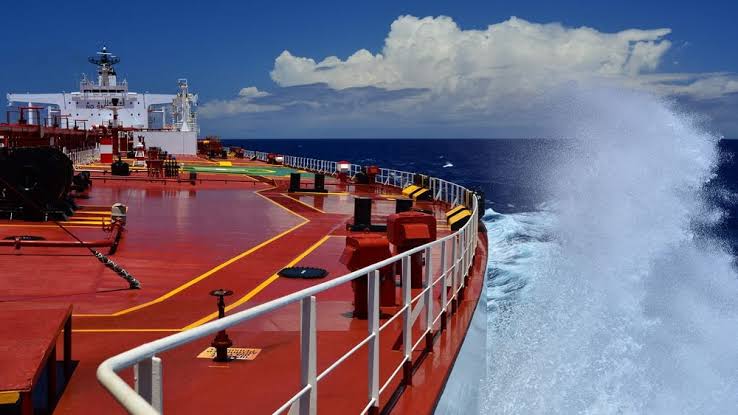
When the Voyage Does Not Go as Planned
How Ship Owners Build Operational Resilience in Uncertain Times
The maritime industry has always operated in an environment where uncertainty is part of every voyage. Weather conditions, technical failures, changing regulations, geopolitical risks, commercial pressure, and unexpected operational challenges can affect vessel performance at any time.
For ship owners and managers, the question is no longer whether disruption will happen. The real question is: how prepared is the organization to respond when conditions change?
During the SeaMaster webinar “When the Voyage Doesn’t Go as Planned,” maritime experts discussed how leaders can maintain safe, reliable, and continuous operations when unexpected events affect vessels, crews, and business performance.
The discussion highlighted five key areas that define modern maritime resilience: operational resilience, risk management, technical reliability, human factors, and decision-making under pressure.
Operational Resilience: Moving From Reaction to Preparedness
Traditional crisis management often focuses on solving problems after they happen. However, modern ship management requires a different approach: preparing the organization before disruption occurs.
Operational resilience in shipping means having the capability to continue safe and efficient operations despite changing conditions.
For ship owners, resilience depends on several factors:
- Understanding vessel condition before problems occur
- Maintaining accurate operational information
- Ensuring crew readiness
- Having access to historical vessel knowledge
- Making timely decisions based on reliable information
A resilient fleet is not one that never experiences problems. It is one that can identify risks early and respond effectively.
Visibility: The Foundation of Better Maritime Decisions
One of the biggest challenges in ship management today is not the lack of data. The challenge is having the right information available at the right time.
Ship owners and managers make important decisions every day regarding maintenance, procurement, compliance, crew management, and operational planning. These decisions become significantly harder when information is fragmented across different systems, documents, and communication channels.
Maritime data visibility enables decision-makers to understand the current condition of their vessels and identify potential risks before they become major operational issues.
A complete view of vessel information supports:
- Faster response to technical problems
- Better maintenance planning
- Improved compliance management
- Stronger communication between shore and vessel teams
For organizations managing multiple vessels, fleet management software can become an important foundation for improving operational visibility and decision-making.
Technical Reliability: Maintenance Is a Business Priority
Technical reliability is not only an engineering responsibility. It directly affects operational continuity, financial performance, and customer confidence.
Unexpected equipment failures can result in:
- Vessel downtime
- Delays
- Increased repair costs
- Commercial disruption
- Safety risks
A proactive approach to planned maintenance management helps ship managers move from reactive problem-solving toward preventive action.
The ability to track maintenance history, monitor vessel condition, and understand recurring issues creates stronger confidence in fleet operations.
As discussed during the webinar, technical reliability is closely connected with preparedness. A vessel with complete historical knowledge allows managers to make more informed decisions about future risks.
The Human Factor: Crew Remains the Core of Safe Operations
Technology and systems support maritime operations, but people remain the foundation of safety.
During uncertain situations, onboard personnel are often the first to identify problems, make critical decisions, and protect vessel operations.
Strong crew management systems help organizations maintain:
- Accurate crew records
- Training and competency information
- Performance history
- Operational knowledge
Supporting seafarers with better information and clearer processes strengthens both safety and operational continuity.
The Importance of Historical Knowledge
A vessel carries more than physical value. It also carries years of operational experience, maintenance history, technical decisions, and lessons learned.
When this knowledge is lost or difficult to access, ship owners lose part of their ability to make informed decisions.
Maintaining complete vessel history data allows owners and managers to understand past performance, evaluate current risks, and plan future actions with greater confidence.
In an increasingly complex maritime environment, information is becoming one of the most valuable assets in fleet management.
Building the Future of Resilient Ship Management
The future of shipping will not be defined only by larger fleets or newer vessels. It will be defined by organizations that can adapt, respond, and make better decisions under pressure.
Digital transformation in maritime is not simply about adopting new technology. It is about creating better visibility, stronger processes, and more confident decision-making.
Ship owners and managers who invest in operational resilience today will be better prepared for tomorrow’s challenges.
Because in shipping, the voyage does not always go as planned. The difference is how prepared you are when it does not.