But Are We Ready?
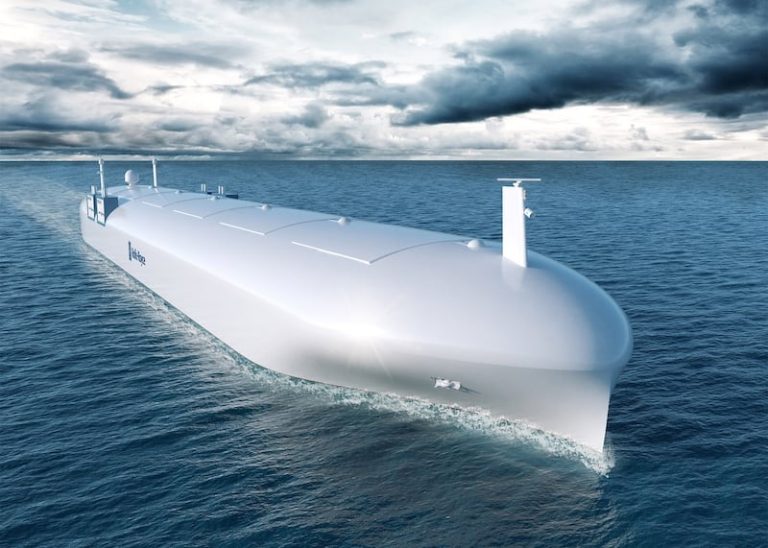
Imagine a cargo ship crossing the ocean with no crew on board—just advanced AI, sensors, and remote operators guiding its journey. This isn’t science fiction; it’s the near future of shipping. But as autonomous vessels become a reality, critical questions arise: Can they truly replace human crews? What risks do they pose? And how can shipowners and fleet managers prepare?
The Rise of Autonomous Ships
Autonomous ships, or Maritime Autonomous Surface Ships (MASS), are no longer just prototypes. Companies like Rolls-Royce, Kongsberg, and Yara International have already launched remote-controlled and semi-autonomous vessels. These ships rely on:
– AI-powered navigation
– Remote monitoring & control centers
– IoT sensors & real-time data analytics
The benefits are clear: reduced crew costs, 24/7 operations, and fewer human errors; a major factor in maritime accidents.
Key Opportunities for Shipowners & Fleet Managers
1. Lower Operational Costs
– No crew salaries, accommodations, or onboard safety systems.
– Optimized fuel consumption through AI-driven speed adjustments.
2. Enhanced Safety & Compliance
– Fewer accidents caused by fatigue or human error.
– Real-time monitoring ensures compliance with emissions regulations (IMO 2030/2050).
3. New Business Models
-“Shipping as a Service” On-demand autonomous fleets for logistics companies.
– Smaller, agile vessels – Autonomous barges for short-sea shipping.
The Biggest Challenges Ahead
Despite the potential, full autonomy is still years away due to:
1. Regulatory Uncertainty
– Who’s liable in an accident? The operator, software provider, or shipowner?
– Flag state & IMO regulations are still evolving—no global standard exists yet.
2. Cybersecurity Risks
– A hacked autonomous ship could be hijacked or deliberately crashed.
– Secure communication networks (5G, satellite) are essential but vulnerable.
3. Public & Industry Acceptance
– Unions & seafarers resist job displacement.
– Insurance companies remain cautious—premiums for autonomous ships are still unclear.
How Should the Industry Prepare?
For shipowners, fleet managers, and maritime software buyers, the key is gradual adoption:
– Start with semi-autonomous tech (remote monitoring, predictive maintenance).
– Invest in cybersecurity—ensure your vessel management software is hack-proof.
– Engage with regulators to shape future policies.
Conclusion:
The Future Is Autonomous—But Not Overnight
Autonomous ships will revolutionize maritime transport—but not without hurdles. The industry must balance innovation with safety, regulation, and workforce transition.
For now, the smart move is to integrate autonomous-ready technologies (AI, IoT, remote ops) into existing fleets. The ships of the future won’t be crewless overnight—but those who adapt early will lead the transformation.
What’s your take? Will autonomous ships dominate by 2030, or will human crews always be needed? Share your thoughts in the comments!